Life is what happens when you are making other plans~ John Lennon
An eye for an eye will make the whole world blind~Gandhi
The time is always right to do what is right~ Martin Luther King Jr.


Showing posts with label japanese pop culture. Show all posts

Thursday, October 16, 2025

21 Budget-Friendly Tips to See the Best of Japan

Japan is one of those countries that are on quite a few people's travel bucket lists, mine included. Whether it be the rich, unique culture, the fascinating history or the beautiful landscape, there is something that draws many to this land, known as the Land of the Rising Sun. Kevin Wong is a writer for MSN.com page Family Vacations U.S. and he compiled a list of 21 budget-friendly tips to see Japan and get the most out of your trip

1. Use the JR Pass wisely

-For those planning on traveling throughout Japan, the JR Pass would be an ideal item to have. Prior to purchasing a map, plan out your itinerary to see if it aligns with areas covered by the JR Pass. This pass provides almost unlimited travel on most trains, including the Shinkansen (bullet train), making it the ideal choice for long distance traveling. Keep in mind that not all routes are covered, so double check your itinerary. Consider starting your JR Pass on the day you intend to start most of your traveling, to get the most use out of the pass. This strategic move will save you bundles of money rather than buying individual tickets

2. Stay in capsule hotels

-WARNING: If you are claustrophobic, this is not the best option for you!

-These are a unique budget-friendly option for accommodation. They are often found in major cities and come complete with free Wi-Fi and shared bathrooms. Definitely not ideal for those with claustrophobia, they are perfect for single travelers or those looking for a distinct, unique or even quirky Japanese experience. The communal areas offered at capsule hotels offers options for lounging and dining, a chance to meet other travelers. Choosing a capsule hotel can often cut costs for accommodation in half or more, allowing your budget to be spent on other experiences. Book a room in advance, as they tend to fill up fast

3. Eat at konbini

-Konbini, or convenience stores, are almost literal treasure troves for food and more. They are scattered all throughout Japan and offer a wide variety of delicious and affordable food. Ranging from Japanese bento boxes to fresh sushi, these stores provide meals for all times of day and night. Unlike most convenience stores people are familiar with, where the the food's quality might be questionable at best, Japanese convenience stores pride themselves on offering excellent quality and variety. The food is affordable and friendly for budgets. It's satisfying, meaning you won't have to worry about being hungry almost immediately afterwards. And they make perfect on-the-go meals. These stores also sell travel essentials, like toiletries, snacks and more. These konbini are one stop shops for travelers on the go who are looking to save money

4. Travel during the off season

-It's widely known that Japan can be expensive. Especially during certain times of the year. During the spring, when the cherry blossoms start to bloom, during the fall when autumn foliage starts to change, are two of the busiest times of the time. It's highly recommended to travel during the off-peak seasons, such as autumn or late winter because you will be able to save a lot of money, as most travelers prefer not to travel in winter or autumn. Airfare and accommodations costs will drop in price, popular attractions will have less people and allow for a more relaxed feeling. The cooler weather is also more refreshing, offering a better chance to go exploring without getting overheated by the summer heat and humidity Japan often faces. If you travel to Japan during the off-peak times, you can enjoy all that Japan has to offer without paying high fees. Not only that, but traveling during the off-season means better rates at accommodations, higher availability for tours and other attractions and more flexibility in your travel plans

5. Take advantage of the free attractions

-Japan offers numerous attractions free of charge. Tranquil parks and gardens to the historic temples and shrines to the vibrant, lively markets. While in Tokyo, visit the unique Shibuya Crossing or the lovely Meiji Shrine for free. While in Kyoto, take a walk with nature and see nature at its finest or observe the unique architecture of buildings for free. Research all free offerings in the cities you plan to visit prior to traveling to get the most out of your trip. Utilizing these locations will not only keep you on budget but also give you a deep dive in to the local culture and history. These experiences can be just as good as the attractions you pay for, if not better

6. Purchase a Suica / Pasmo Card

-This is a cost-friendly option for public transportation. These prepaid cards are used for buses, trains and even some taxis. They save money for you rather than buying individual tickets each time. They can be recharged at stations, used in stores and even vending machines. Cardholders will be offered discounts and promotions. Carrying one card and using it for multiple sources slashes the need to carry cash and will streamline your travel, making it far easier. This handy little card will make navigating the Japanese transportation system a breeze


7. Dine at Kaiten Sushi

-Those hungry for a unique, but affordable sushi option need to look into kaiten sushi restaurants. Plates of sushi will glide past your seat, allowing you to choose what looks appealing. Price is determined by plate color, meaning your budget can be adjusted easily. These types of restaurants are very common in cities and provide an interesting chance to sample local, fresh seafood. Watching the chefs lovingly prepare the meals in front of you and having a wealth of options to choose from adds more fun to the experience. It's a casual, easy way to experience Japan's unique cuisine without shelling out major money

8. Use overnight buses

-These overnight buses offer a unique advantage. They save you money on accommodation while taking you to other cities. These buses are state-of-the-art hotels on wheels that come fully equipped with Wi-Fi, reclining seats, blankets. They are far more affordable than train travel, especially if you plan on traveling long-distance. Traveling overnight means you can sleep while the bus is wheeling its way to your destination. You'll wake up refreshed, recharged and ready to explore, making the most of your time in Japan. Book in advance to get the maximum amount of savings. This option is not only budget-friendly and will allow you to stretch your yen, but it will also give you a look into the unique and sometimes quirky but efficient transportation systems of Japan

9. Visit 100 Yen Shops

-These are the Japanese relative to the 99 cent stores that many places in the US have. Here you can find everyday essentials and unique souvenirs for the budget-conscious traveler. Everything comes at an affordable price. Despite the low price, the items available are of the highest quality. You can purchase nearly anything here, from kitchenware to snacks to clothing and more. It's both useful and entertaining to check out these shops, and you might find unique or even quirky items that add to your trip

10. Explore the neighborhood izakayas

-Izakayas, or Japanese bars, are a good choice for dining because not only is the food good, it's reasonably priced. They offer small dishes perfect for sharing, along with drinks. Travelers can dive headlong into local culture while eating at a reasonable cost. The casual atmosphere allows for interactions with locals, who can provide more insight into local sights and sounds than a travel guide would. These izakayas will often feature local cuisine native to that area, making each one distinct

11. Rent a bicycle

-You can explore the cities and countryside at a slow pace by renting a bicycle. Many of the cities in Japan offer a bicycle service with very reasonable daily rates. Choosing to rent a bicycle allows for flexibility in travel, meaning you can leave the beaten path made by other travelers and discover hidden gems not visible to those in the know. Riding through the neighborhoods provides a peek into daily Japanese life. Not only that, but it's a healthy option and eco-friendly. Just learn the local bike routes and etiquette

12. Attend a free festival

-Throughout the year, Japan hosts plenty of festivals, some of which are free and some of which are not. These festivals offer an education into the local culture and heritage. They feature stalls selling food, live performances, parades that are an overload of the senses. You can take part in these festivals and it will provide a unique one on one experience with the locals and witness traditions first hand. Research the schedules ahead of time to see if any line up with your travel itinerary

13. Utilize any discount passes

-There are discount passes that can be used to slash the price in half or more for attractions. These passes can cover multiple things in a city or region and save a lot of money rather than buying individual tickets. These discounts can often include public transportation discounts. There are options like the Tokyo Grutto Pass, Osaka Amazing Pass that provide access to museum, various landmarks and more items than you can imagine. If you plan your activities around these types of passes or discounts, you'll save the maximum amount of money while also getting the maximum amount of experience in your trip. Check local tourism websites or visitor centers to see if they offer discount passes

14. Stay in a ryokan / minshuku

-For a deep dive into local Japanese culture, stay in a ryokan or minshuku. These are traditionally Japanese accommodations that offer tatami mat rooms, futon beds and local food. Some can be pricey, but there are budget-conscious options available as well. A stay at a ryokan or minshuku will include meals, heightening the experience. The serene atmosphere and service that feels personalized will make for good memories. Book during the off-season or share a room with people to further slash costs

15. Shop at local markets

-Local markets are nothing short of absolute nirvana for discovering fresh produce and specialties native to that region. The Tsukiji Market in Tokyo or Nishiki Market in Kyoto allow travelers to taste the local foods at a reasonable price. They offer everything, ranging from street food to freshly caught seafood. Talking with vendors provides a unique look into the local cuisine scene. Trying these different foods allows you to get a unique look into the local culinary scene without overstuffing yourself with a meal. It's a cost-friendly way to explore the uniquely culinary world of Japan

16. Use technology to score deals

-Technology can be a good thing in terms of travel. Using technology in your travel plans can slash costs by half or more. There are numerous apps and websites offering deals on accommodations, dining and attractions, along with special offers. Using translation apps can help close the language gap, leading to better offers and deals while also interacting with the locals. When you stay connected via technology, it keeps you informed about sales that pop up and last minute perks. By utilizing technology, you add to your travel experience and make it far more affordable while also enjoying all that Japan has to offer

17. Enjoy walks along nature trails

-Japan is one of the most beautiful countries in the world. The nature there is not found elsewhere. As such, there are tons of nature paths for people to hike along and enjoy the beautiful scenery. There are spiritual paths such as Kumano Kodo to natural parks like Nikko National Park. Hiking trails offer beautiful scenery, are free of cost and offer an escape from the hustle and bustle of the city. These paths offer a chance to witness the vast diversity of Japan's ecosystems. Pack a picnic for a grand day out, free from the price of dining

18. Take part in a cultural workshop

-These hands-on experiences only heighten your trip to Japan. They add a rich, unique understanding of Japanese culture. Experiences such as tea ceremonies, calligraphy or cooking classes are often very reasonably priced and they provide a good look at the culture. These workshops are available in many cities and can also be found in the local cultural centers and even online. Taking part in these cultural workshops allows you the chance to engage with the artisans and instructors, getting an education and valuable new skills. It's a unique, memorable way to learn about the culture in addition to sightseeing. Not only that, but now you have a unique handmade souvenir or new skill, only adding to your travel memories

19. Go for street food

-Street food is the best option for budget friendly travelers. Not only is it budget friendly, but it is also delicious. Cities like Osaka and Fukuoka are world renowned for their street food. These street food stalls are the perfect chance to sample local cuisine on the go. These street food vendors are almost always located near popular attractions, making it fast and easy to grab a quick meal. Eating at these food carts or street stalls provides a chance to eat while sampling local cuisine

20. Use any free Wi-Fi spots

-Free Wi-Fi is a major thing in Japan. It's common to find Free Wi-Fi signs in urban areas and tourist attractions. Many of the convenience stores, cafes and public transportation spots will have a Free Wi-Fi sign, stating they offer free wi-fi. Utilize these hotspots to stay connected digitally without running up international roaming charges. Having access to wi-fi allows you to plan your day's itinerary, research nearby attractions and keep in touch with loved ones back home. Carry a portable charger with you to guarantee you stay charged up on your devices. If you can stay connected digitally, you'll slash costs in half or more while also navigating throughout Japan

21. Take part in a silent zen tea ceremony

-While in Kyoto, you can take part in a silent zen tea ceremony. Nothing is more peaceful and tranquil than a tea ceremony. This centuries old tradition invites you to learn how to not only prepare tea, but to connect with the surroundings and even yourself. It's a combination of tea ceremony and meditation. This ceremony puts emphasis on mindfulness and appreciation for the simple moments. It offers you a break from the stress of travel. It doesn't matter whether you're a seasoned professional traveler or new to Japan, this activity will provide you the chance to reflect deeply while also relaxing and ridding yourself of worry. This is a budget friendly way to connect you right to Japan's cultural heart

Monday, February 17, 2025

Even More Fun Facts About Japan

Japan is one of the most beautiful places in the world. It has a rich history that can be brutal at times, but fascinating as well. There are so many little facts about this fascinating little island nation that make it truly unique.

By the way, if you do read these articles, you'll notice a lot of them have some of the same facts. So I only put the ones not already listed elsewhere

Listed below are the links where I found this information. Each link is above the section where that information came from

https://www.roughguides.com/articles/facts-about-japan/

You can stay in a hotel run by robots

-It might sound strange, but fear not. The Hen Na Hotel is completely run by robots. When checking in, a multi-lingual humanoid or even dinosaur-shaped receptionist will greet you. They use facial recognition to replace room keys and robotic arms store your luggage. Some places even employ robotic cleaners controlled by AI (artificial intelligence). It's a combination of bizarre sci-fi with futuristic convenience only in Japan for the time being

Capsule hotels are like sleeping pods

-These micro sized hotel rooms have just enough room for a mattress, small TV and mood lighting. Some of the more upscale capsule hotels come with smart controls, charging ports, privacy screens. These were intended originally for wage earners who missed the last train of the day. They are now a budget-friendly option for travelers who may have missed the last train

You can fish for your own dinner in Tokyo

-Zauo is a restaurant where diners can catch their own dinner. The restaurant is shaped like a giant wooden boat, and there diners don't just order their dinner- they catch it. With a fishing rod, you can catch your food and the onsite chefs will prepare it as sushi, sashimi or grill it into what they consider to be perfection

Kyoto has a street where photography is banned

-Kyoto is known for its geisha districts. The district of Gion, where most geisha can be found, is known for its iconic teahouses, where geisha can perform. Some streets completely ban photography, to protect privacy and prevent intrusive behavior from tourists. If you want to see geisha in action, book some time at a teahouse. Just don't expect a selfie with a geisha

Japan has a festival involving the throwing of beans at demons

-Called Setsubun, this marks the official start of spring and the unique ritual of throwing roasted soybeans while shouting "Oni wa soto! Fuku wa uchi!" This translates into "Demons away! Luck in!" Families throw the beans at someone dressed like a demon while temples and shrines organize mass celebrations with celebrities. It's a fun, if slightly bizarre way to bring good fortune for the upcoming year

You can ride a bicycle in the sky

-Designed for people to see the Seto Inland Sea, this "Sky Cycle" is a set of bicycle-style carts that are suspended 50 feet in the air and allow you to pedal at your own pace. This is said to be a roller coaster in the sky, without the sudden drops. The only thrill you'll get is seeing the breathtaking beauty of the local area while pedaling along a narrow rail high off of the ground

Trains are so punctual that conductors offer apologies if they are late

-Japan is known for being a nation of punctuality. It's considered respectful to be on time. The average delay is less than a minute. If a train is late, even by as much as 30 seconds, station staff issue "delay certificates" so commuters can show their boss why there weren't at their place of employment on time. When trains leave earlier than expected, railway companies offer public apologies to the commuters for the inconvenience

You can watch snow monkeys enjoy an onsen (hot spring)

-Jigokudani Monkey Park, located in the Nagano mountain region, offers the chance to see snow monkeys, also known as Japanese macaques, soaking in an onsen (hot spring). During the winter months, these furry monkeys climb into the hot springs to keep warm, looking just as relaxed if not more relaxed than the human visitors. You cannot bathe with them; But you can enjoy watching them a few feet away as they bathe, groom each other and glare at the tourists

One village has more scarecrows than people

-In the remote village of Shikoku lies the village of Nagoro. This village looks like something out of a post-apocalyptic movie only because of the number of scarecrows inhabiting it. A local artist started creating them to replace the villagers who had moved out or passed away. Over 350 scarecrows inhabit this village and less than 30 human residents remain

Japan has the busiest pedestrian crossing in the world

-The winner of the Busiest Pedestrian Crossing in the World award goes to Shibuya Crossing in Tokyo. This hive of activity sees around 3,000 people crossing the intersection without harm or incident. At night, with the flashing of neon lights, it makes one feel as though they entered a city of the future

Aoshima, Japan's famous "Cat Island" may be gone soon

-This island is well known as Japan's "Cat Island" due to the high number of felines living there. A spaying program began in 2018, where no new kittens have been born there. The cats, much like people, age and eventually pass away. There are only five human residents left on the island and the future seems unknown. Thankfully, there are other islands inhabited by cats for cat lovers. They include Tashirojima and Enoshima

You can rent fake family and friends

-It might sound strange, but fear not. Japan has services where you can hire out actors and actresses to play fake family members, boyfriends / girlfriends and more. It might sound strange, but it's comforting in a country where expectations can be high

There's a cafe in Tokyo where you can cuddle hedgehogs

-I must go here!! I love hedgehogs!!!!

-Harry Hedgehog Cafe in Tokyo allows customers to cuddle hedgehogs. In addition to the various cat cafes, you'll find places including owls, micro-pigs and now hedgehogs. You can hold and even feed these tiny prickly forest-dwelling critters while sipping your coffee. It's a relaxed experience, but exercise caution for the occasional quill poke

https://www.airalo.com/blog/15-fun-facts-about-japan?srsltid=AfmBOooITJZQJdPySka8LSN1cJ-lEp9amyxmLY39zYSYm4K6QJGz7Zh7

Sumo wrestling is the national sport in Japan

-Most people know of sumo wrestling as two large men pushing each other to knock the other out of a ring. The origins of sumo wrestling date back to ancient times. Sumo wrestlers, or sumotori, as they are known by properly in Japanese, live in highly routined stables, where every part of their lives from what they eat to their daily activities, is designed with strength and flexibility in mind. The sport is a mind blowing sight of power and strategy. It's just one part of the rich culture that makes Japan's culture one of a kind

Japan's food is even UNESCO-listed

-UNESCO is the organization that preserves sites of great importance. There is the traditional Japanese cuisine called washoku. This food puts great emphasis on using seasonal ingredients, flavor balancing out and even presentation. 2013 was the year that washoku was added to the list of Intangible Cultural Heritage by UNESCO. In Japan, meals reflect the changing of seasons and celebrate the wealth of the land and sea. It perfectly utilizes the philosophy of living in harmony with nature

Mount Fuji is the tallest mountain in Japan

-This majestic mountain, so iconic that when you first think of Japan, this mountain comes to the mind first. This mountain stands at a height of 3,779 meters or 12,389 feet. Climbing Mount Fuji is not only a spiritual journey but a physical challenge. It's importance in the spiritual world strengthens the status it holds in Shinto tradition

It's customary to remove your shoes prior to entering a home, ryoukan (inn) or temple

-Japan is a nation that prides itself on high sanitation and high cleanliness. As such, it's customary to remove shoes prior to entering one's home, a temple or a ryoukan (traditional Japanese inn). This custom is strongly out of respect, with the intention of keeping the indoors clean and tidy. Genkan, an entrance area in many homes and buildings, is where shoes are taken and stored in a cabinet. This shows respect for cleanliness and respect for the environment of the area and the homes of others

Japan has the iconic Shinkansen (Bullet Train)

-This train is able to travel 200 mph. There is a new bullet train in testing, able to max out at 374 mph. Japan is a strong believer in being on time. And if there is a delay by as much as 18-30 seconds, a "delay certificate" is issued to commuters to hand to their boss explaining why they aren't exactly on time

Hanami is the name for the tradition of viewing the cherry blossoms

-In Japan, there is a tradition called hanami, or cherry blossom viewing. This tradition involves family and friends gathering together to enjoy food, drinks and enjoy the natural beauty of the cherry blossom, or sakura, as it's known by in Japanese. This tradition is strongly representative of the concept mono no aware, which translates into the idea of being aware of something and appreciating it in the time it has and that it will pass

There are thousands of onsen (hot springs) scattered throughout the country

-Onsen, or hot springs, are popular activities for relaxing in Japan. Because of the volcanic activity in Japan, geothermal activity heats these hot springs up and creates a relaxing atmosphere. These hot springs are not only a relaxing way to soak away the stress, but they are a much beloved part of Japanese culture. They are strongly linked to Shinto and Buddhist practices of purification. Each onsen is unique. Each one offers different experiences, depending on the minerals contained within the water, the location and the ryoukan (traditional Japanese inn) that it may be part of

Just a warning. If you have tattoos, it would be wise to call ahead and find out what the policy is on tattoos. Tattoos have a strong cultural connection to the form of organized crime called the Yakuza, or Japanese Mafia. These gangsters are known for heavy body tattooing and, as such, a lot of business owners are hesitant to see tattoos on display. If you plan on going to an onsen, please call ahead and find out what the policy is on displaying tattoos. Let them know you have tattoos and are inquiring about information, to make sure you respect their wishes and avoid offending their customers. The owner may ban you from entering or request that you cover them up

Japan has one of the highest life expectancies in the world

-The reason being the long lives in Japan is a combination of healthy diets, active lifestyles and a vibrant social community. It's a sense of one looking out for the other. Everyone keeping consideration of their health and that of their neighbors, friends and loved one. Japan is known for having people live into their nineties and even one hundreds

Tokyo is one of the most densely populated cities in the world

-The capital of Japan, Tokyo is the number one most populous city in the world. As of the 2021 census, Tokyo is home to 37 million people, bypassing that of other countries. This city is a vibrant, sprawling expanse of various districts, each district with its own unique, quirky charm and personality

Friday, February 14, 2025

More Fun Facts About Japan

Japan is one of the most beautiful places in the world. It has a rich history that can be brutal at times, but fascinating as well. There are so many little facts about this fascinating little island nation that make it truly unique.

By the way, if you do read these articles, you'll notice a lot of them have some of the same facts. So I only put the ones not already listed elsewhere

Listed below are the links where I found this information. Each link is above the section where that information came from

https://alljapantours.com/japan/culture/cultural-tips/fun-japan-facts-and-information/

Japan has four main islands

-They consist of Honshu, Hokkaido, Shikoku and Kyushu. Because of this, Japan is considered to be the largest island nation in the Far East

The oldest hereditary monarch in the world is the Yamato Dynasty

-The current emperor is the direct descendant of Jimmu, the first ruler of Japan from over 2,600 years ago. The only time that you can visit the Tokyo Imperial Palace's inner grounds is on January 2 and the emperor's birthday, when the location is open to the public

There are over 100 castles in Japan!

-At one point, there were an estimated 5,000 castles scattered throughout Japan. As of today, that number has dwindled to around 100. Most of them are in the state of reconstruction, but at least twelve are still in the original state

Noh is the longest running theatre styles in the world

-This type of dance-drama dates back to the 14th century. The performances were usually done at temples or shrines. You can attend Noh performances in Tokyo, Osaka or Nagoya

Bowing is incredibly important, even the deer do it

-Every morning, at the Todaiji Temple, 1,200 wild deer gather together. You can purchase special biscuits outside of the temple to feed the wild deer. Prior to handing over the treats, you must greet them with a bow. They will, in turn, bow right back

There's a slipper for every occasion

-Japan is known for its high level of cleanliness. And, as such, certain slippers are required for certain actions. It's a well known fact that shoes are not worn inside Japanese homes. There are special slippers for wearing inside the home and even special slippers worn when going to the bathroom

Everyone cleans up after themselves

-Japan is known for being one of the cleanest countries in the world. As such, there are no public trash bins. When a terrorist attack happened on the subways in 1995, using deadly sarin nerve gas, the government put a ban on public trash bins on the street. This forced locals to clean up after themselves. It's not uncommon for people in Japan to take their trash home and dispose of it there. Even tourists learn to do that

The crime rate is incredibly low

-In Japan, it's one of the safest nations in the world. That's not to say that there is not the occasional crime that happens every now and again. In fact, there are more police here than criminals. Japanese have very high morals and respect for each other. If a wallet full of cash is found on the street, locals are more likely to leave it there or turn it into the police than steal the contents

Japan is loaded with vending machines

-There are vending machines selling almost literally anything. From hot and cold drinks to electronics to contraceptives, if you need it, Japan will have a vending machine selling it. Most of the vending machines sell hot and cold drinks, tea or juice. But others will sell alcohol, fortunes, souvenirs, snacks and more

Walking and eating at the same time is a big no no

-A lot of thought and consideration goes into the preparation of a meal. In response to this, Japanese people refrain from eating and walking at the same time. The only time they do this is when attending a festival

https://www.rickshawtravel.co.uk/japan/blog/10-fun-facts-about-japan/

Slurping your noodles loudly is considered good manners

-In Japan, there are noodles of every variety everywhere. In restaurants, it's considered good manners to slurp them loudly. This shows the chef who lovingly prepared your meal that you are enjoying it very much. You grab your chopsticks and lean over your bowl. Bibs can be provided for foreigners, or gaijin as they are known as. By the time you leave, you should be able to finish a bowl without spots or stains on your shirt

Christmas Eve meals are not what you expected in Japan

-Japan is the last place on Earth you would expect to find a Kentucky Fried Chicken or KFC. This restaurant is known for being Christmas Eve meals for a lot of people in Japan. It sounds strange, I know. The lines for orders at KFC is quite long. People will put in orders weeks to months in advance. It was said that for Christmas-curious Japanese, turkey and chicken was not available. So KFC decided to try their hand at targeting the Far East market for those curious about the Christmas season

Japan is not just big cities

-It's one of the most beautiful places in the world. But it's not just cities. There is a lot of natural beauty as well. There are over 100 active volcanoes, the iconic Mount Fuji, with a height of 3,776 meters and there is around 70% of Japan which is forest and mountains not suitable for living

Japan has a Rabbit Island

-I must go here!!! I love rabbits!!!

-There are nearly 7,000 islands that make up Japan. Okunoshima is located in the Inland Sea and it's known for its high population of big-eared, carrot munching furry critters. This island was used as a testing facility for chemical weapons during WWII and the test subjects used for the chemical weapons roamed free after the war. Predators do not exist on this island, since cats and dogs are banned from entering. This creates a popular spot for rabbit lovers

Four is an extremely unlucky number in Japan

-In Japanese, the character "shi" is the translation for the number 4. It's avoided because it sounds too similar to the Japanese word for death. You'll notice that buildings do not list a fourth floor, items are sold in packs of three or five and even special care is taken to avoid using or encountering this number in every day life

There is a bizarre festival where men strip down to nothing

-Hadaka Matsuri is one of the most bizarre festivals in all of the festivals Japan celebrates and has to offer. For this particular festival, thousands of Japanese men strip to complete nudity to try and secure a year filled with good luck and fortune

Japanese trains are amongst the most punctual

-In Japan, it's high priority to be on time. It's considered respectful to be on time. The longest delay in Japanese trains is only about 18 seconds. When drivers go through training, they do it in an ultra-realistic simulator. They often drive only one train line, so that they don't need a speedometer to tell them the speed. Rail companies fiercely compete with each other for business, so being late simply won't do. They work hard to keep their control of Japan's rail commuters, doing whatever it takes, including building elaborate department stores in the stations

Odd flavors are a common sight in Japan

-When it comes to Japanese food, candy and more, odd flavors are considered normal. It would not be odd at all to enter a convenience store and see candy in flavors like matcha green tea, soy sauce or more. It's said that the Japanese love weird flavors. The candy Kit Kat is especially popular because its name sounds similar to "kitto katsu", which translates into "good luck." There are tons of various flavors for Kit Kats, from eel, edamame (Japanese soy bean) and ginger ale to green tea and wasabi

-If you're in the United States and are familiar with the grocery store chain Jungle Jim's, go here and check out the Japanese candy section. It will blow your mind!!! There are also many Asian supermarkets throughout the US that stock Asian-based foods, candies and more. There is an Asian supermarket near me that stocks all sorts of interesting items from China, Japan, Korea, Vietnam and more

Everyone has their own seal

-In Japan, signatures are not used, seals are. Everyone has their own unique seal to identify themselves. Known as hanko, the seal is basically your name but put into Kanji characters. They are made from silk or plant based paste. Adults have three hankos: one for signing off on letters and other personal correspondence, a seal for bank-related matters and a personal seal for identity. They're not necessary for tourists, but foreigners living in Japan, often known as gaijin can go to a small handicraft store and have a seal made for them

Anti-Ninja floors are common

-During the Feudal period of Japan, Japanese lords with a lot of money would build homes with intentionally squeaky floors (known as Nightingale floors) as a security measure against Ninjas. These highly trained, iconic and legendary mercenaries of the feudal era of Japan were strongly steeped in myth and folklore. They were said to be able to walk on water, turn invisible and even control the elements. They were also deadly assassins highly trained in the art of stealth and weapons. They would use shuriken, or "throwing stars", which were small round discs with sharpened knives all around it or use the traditional Japanese katana sword (pronounced ka-ta-na)

https://awaytothecity.com/facts-about-japan/

There are three distinct writing systems

-Some people think that the written language of Japanese is all one symbol type. They could not be more wrong. There are three distinct writing systems in Japan. Japanese will combine all three. They are hiragana, katakana and kanji.

Katakana

-カタカ. Also a phonetic script, like hiragana with 46 characters. Katakana is used with foreign loanwords, scientific terms, emphasis

Hiragana

-ひらがな. Hiragana. This is a phonetic script used for Japanese words and grammar. This is the easiest part of Japanese to learn. Each of the 46 characters represent a different sound

Kanji

-漢字. Chinese characters that represent ideas and concepts

Japan is the hub of modern technology while also looking to their past

-While Japan is on the cutting edge of modern technology, they still hold fast to their technology from years past. You might notice that in Tokyo people still use older model mobile phones. And some offices have decades-old fax machines. Many services in Japan require paperwork to be sent in via mail and personal stamps, called hanko, are used for authentication at banks and real estate agencies. Even though digital payment and credit cards are starting to become accepted, cash is the best way to pay in many restaurants and shops. The mixing of modern and old technology shows Japan's deep respect for the past while keeping with the modern times. It also shows the older technology being respected for its reliability

Tattoos have a tough history in Japan

-I will definitely have to research ahead of time. I have tattoos, 9 of them. At least two of them are Japanese-related. They are a geisha in a turquoise kimono adorned with cherry blossoms, holding a fan depicting Mount Fuji and a koi fish with Japanese maple leaves in their fall coloring. And I'm contemplating getting another one....

-Many cultures see tattoos as a form of self-expression, a way of telling you more about the person than the person could actually say. But in Japan, they have a different meaning. Traditions in Japan state that tattoos were strongly linked to organized crime, such as the Yakuza (Japanese Mafia). Despite restrictions on tattoos relaxing in years past, many businesses may still restrict someone from entering if they have tattoos visible. In Japan, it's rare to see tattoos on display. Many cover them up due to social norms and a conservative society. Roughly 1.4 million Japanese adults have tattoos. This rounds up to about 1.1% of the population. This is a far lower number than Britain and the United States. If you have tattoos, you can still visit Japan. Just make sure to do some serious research about the rules of the places you plan on going to see if there are restrictions about tattoos being visible

You can leave your valuables unattended with confidence and ease

-Japan is ranked the 17th safest country in the world, according to the Institute for Economics and Peace. Low crime rates are well known here. It's a common sight to see people leaving their valuables unattended. Not messing with one's belongings when they are not there shows respect and trust for other's property and reinforces the concept of Japan being safe

Japan experiences at least 84 earthquakes a month

-Since Japan is on the Pacific Ring of Fire, earthquakes and volcanic activity are common occurrences. At least four tectonic plates meet where Japan is located, indicating a high level of earthquake activity. Not only are there earthquakes, but active volcanoes, including the most iconic mountain of all, Mount Fuji. Most of the earthquakes in Japan are barely felt. The country averages one almost every 8 hours. Despite this country being volcano activity prone and earthquake prone, they are well trained in earthquake and volcanic activity. The buildings are built to be earthquake-proof, there is a strong disaster management system in place, real time alerts are sent out and drills are practiced on a regular basis. This reinsures the safety of all of those who are in Japan, should an earthquake strike or a volcano erupt

Manhole covers are works of art

-Instead of the boring covers of sewers that other cities have, bearing just the name of the company who made it, Japan has taken it a step further and made manhole covers works of art. Each city features different works of art on the manhole covers. These artworks reflect the local culture and history of that region or city. You can see works of art featuring castles, cherry blossoms, creatures from mythology or folklore and more

Japan's cars resemble shoe boxes

-"Kei cars" are popular in Japan. Cars will often be small and compact, boxy in shape. These cars are small, with specific size and engine limits and are the smallest cars allowed on the road. Referred to as "shoeboxes on wheels", kei cars are incredibly popular in cities because of their small size, making them easy to park and move through narrow or crowded streets. At least 34% of the cars in Japan are kei cars

This country is obsessed with all things cute or Kawaii as it's known in Japanese

-Cute stuff is everywhere. Japan has an obsession with all things cute or kawaii. This cuteness factor is everywhere, from food to ads to food packaging to toys and even in people's appearance

Japan has a seriously low immigration rate

-The 2018 census shows that 97.6% of the population is authentic Japanese. The low level of immigration stems from the fact that the culture has stayed more or less the same for a very long time. This country places high value on tradition and works hard each and every day to preserve that unique way of life

Japanese citizens place high value on quiet

-High value is placed on being quiet. Especially on public transportation. Conversations on public transportation is kept quiet or at a low volume. There are reminders everywhere to keep phones on silent. The reason you don't see people talking on their phones in cafes or restaurants is because by refraining from doing this, you are showing respect for those around you. You'll notice a calm and quiet tranquility around you

Japanese citizens do not blow their nose in public

-It sounds strange, but actually blowing your nose in public is considered impolite in Japan. If one has to blow their nose, they do it discreetly to show respect for others. Blowing your nose loudly in public draws unwanted attention and makes others uncomfortable

Japan has 26 UNESCO World Heritage Sites

-There are 26 locations that are considered extremely important to the unique culture of Japan. They are added to the list of UNESCO World Heritage sites. These locations reflect the diverse and rich history of Japan. These places can include Shinto shrines, ancient Buddhist temples, lovingly restored historic castles. More well known sites include Mount Fuji, Himeji Castle, the ancient city of Kyoto

Friday, October 11, 2024

Unspoken Rules You Should Know Prior to Going to Japan

Japan is one of the most beautiful countries in the world. Their culture is unique and unlike any other. Prior to going there, there are some unspoken rules you need to be aware of. According to MSN.com writer Eul Basa, here are some unspoken rules to be aware of

Respect

-Japan prides itself on humility, proper manners and respect. The top rule here is to be respectful and kind. When you show respect for the local customs, that puts you in the good graces of the locals and shows you take their culture seriously. It will make you look good and show you respect the local laws and customs

Take off your shoes prior to entering a building

-When entering a temple or shrine or visiting a house, hotel or other building, remove your shoes. Slippers to wear inside are provided

Bow to show respect

-In Japan, you bow to show respect. The deeper you bow, the higher amount of respect you show. A small bow of the head indicates a greeting or showing of gratitude

Offer / Receive with two hands

-It might sound strange, but if you offer and receive something with both hands, it's considered respectful. It shows you are being considerate of the person and also showing concern for the person that you're speaking with

No tipping at restaurants

-This is definitely a no no. You do not tip at restaurants. It's not customary and it could even be considered rude. The reason tipping is not customary is because customer service in Japan is of the highest quality and and it's simply an every day thing to be expected

Respect the lines

-In Japan, it's considered good manners to wait your turn in line, whether it be for a taxi, to board a train or elsewhere. It's bad manners to jump ahead of someone. Respecting the lines reduces chaos and ensures that things run smooth as ever

Be quiet on public transport

-The reason that you must be quiet on public transport is because there is an unspoken rule about serenity and harmony. Some people choose to sleep on the train or bus. Speak quietly to someone. Do not shout or make loud noise. These are looked down on as bad manners

No pointing with your fingers

-It's considered impolite to point with your fingers. If you need to gesture to something or someone, use your whole hand

Don't blow your nose in public

-This might not seem like a big deal elsewhere, but in Japan, it's frowned upon to blow your nose in public. It's considered rude. If you do need to blow your nose, excuse yourself and find a nearby bathroom to do so

Wear the designated slippers when visiting the bathroom

-It might sound strange or even gross to wear slippers to the bathroom, but fear not. In Japan, cleanliness is top notch. When visiting the bathroom, you must wear a specific type of slipper. It all comes down to the high level of hygiene and cleanliness

Don't walk and eat

-If you must eat, do so at a table with chairs or seating. Do not walk and eat. This is considered poor manners. This helps also keep the streets clean

Respect personal space

-Most people are respectful of personal space. Some aren't. You must respect a person's personal space in Japan. The culture places high value on personal space

Using chopsticks

-Japan is a nation that uses chopsticks to eat. When using chopsticks, NEVER insert them vertically into food. This seems rude and impolite. Not only that, but it looks like something done at funerals. Also, do not use your chopsticks to hand food to others; they will get their own food

Slurp your noodles loudly

-In most countries, this would be considered impolite or poor manners. In Japan, it's commonplace and even acceptable to slurp your noodles loudly.. This, strangely, shows the owner of the restaurant you are really enjoying their food

Always carry cash with you in addition to cards

-Not all businesses in Japan do cashless payment. Some are still old school enough to do cash only. That's when you want to ensure you have both. To make sure you are able to successfully pay

Sort out trash

-This is a part of the recycling process. You sort out your trash based on what it is. Japan is known for being an incredibly clean country. Here, you sort out your trash because there are so few public bins. Put the correct trash into the correct bin to keep in tune with the strict waste regulation

Etiquette on escalator

-This is something most have never heard of. Japan is a country that prides itself on etiquette for everything. Including escalators. When using one, it's customary to stand on the left side in Tokyo while in Osaka, you stand on the right. This allows those in a hurry to get by

Visiting an onsen (hot spring) or public bath

-When you visit an onsen (hot spring) or public bathhouse, you must clean yourself thoroughly prior to entry. It's in relation to the high level of hygiene and cleanliness in Japan.

-WARNING: If you have tattoos, there's a pretty good chance you may be restricted from entering unless you cover them up. In Japan, tattoos have a strong cultural connection with the Yakuza, or Japanese Mafia. These underworld figures are known for heavy body tattooing, which they often cover up. If you have tattoos, cover them up. Ask the owner of the public bathhouse or onsen what the policy is on tattoos and what you can do to cover them up. This will show that you respect their wishes and also put you in their good graces. Covering your tattoos also reduces the risk of offending the locals who frequent these places, as they may be uncomfortable seeing tattoos because of the cultural connection to the Yakuza

Dress modestly

-Japan is a conservative country. Dressing modestly is what everyone does. Wear conservative clothing when visiting shrines or temples or rural areas. This will show respect for the customs and local culture

No tattoos at the gym

-This goes back to the cultural connection between tattoos and the Yakuza. If you plan on going to a gym and you have tattoos, cover them up. Covering them up is considered a sign of respect

No PDA

-Public displays of affection, such as hugging or kissing, can make others feel uncomfortable and is frowned upon in Japan. Refrain from doing this

Follow the proper rules when visiting shrines / temples

-The thing to keep in mind is that shrines and temples are holy places, just like churches, mosques or synagogues. Dress respectfully. Just as you would dress when attending services at church, a mosque or synagogue, do that there. People come to shrines and temples to pay their respects to lost loved ones. If you plan to partake in the purification and rituals here, follow the proper etiquette, which includes bowing, clapping, offering coins and burning incense

Punctuality is important

-Japan considers tardiness to be of the utmost disrespect. Being on time shows your consideration for other people's time. Guarantee that you get to your destination on time

Etiquette at the dinner table

-First and foremost, speak softly. Loud speaking is considered poor manners. Dinners are meant to enjoy the company of others. Getting loud and rowdy puts a dent in that

Never open a gift in front of the giver

-It might sound strange, but in Japan it's customary to open a gift in private. Never open a gift in front of the giver. If you do this, it might cause anxiety over your reaction to what that person has gifted you. Wait until you are away from that person to open it. Then do something to show your appreciation, such as a little card expressing gratitude or something else

Prior to taking photos, always ask permission

-It might sound strange, but in Japan, it's always good to ask for permission prior to taking photos, especially in sacred places. Asking for permission prior to snapping that picture shows that you respect the privacy of that place

Respect for the elderly is a must

-Japan is a nation that places high value on respecting the elderly. You can show your respect to the elderly by offering them your seat on public transportation. This is deeply ingrained into traditional Japanese values

Don't haggle

-Haggling the price down to something specific might work in some countries, but in Japan it doesn't work. Prices are at set rates at Japanese markets. Bargaining is not common, so don't bother trying to haggle the price down on an item you would like to buy

Don't block the way

-There is a flow and rhythm to the way people move in Japan. Move in the right directions and avoid just standing in one spot. You might block someone who is on their way somewhere

Keep your phone on silent

-It might be tempting to keep your phone on vibrate or have the ringtone turned up to hear it, should you risk missing an important call. But in Japan, it's customary to keep phones on silent, especially on public transportation to maintain a peaceful environment

Monday, October 7, 2024

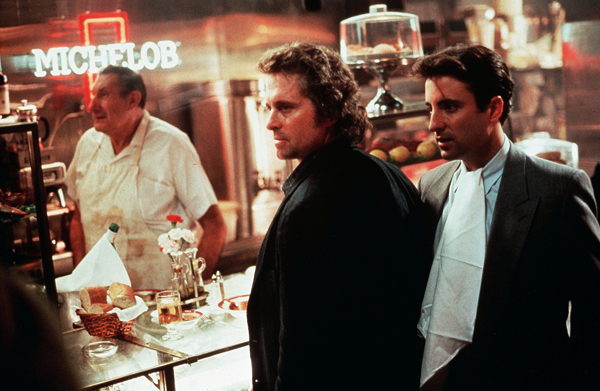
Black Rain (1989)

This movie takes place in Japan and involves the Japanese Yakuza, better and simply known as the Japanese Mafia

Summary

-When a Yakuza hitman and member is arrested and extradited back to Japan, two New York police officers must escort him back


Cast

-Michael Douglas: Nick Conklin

-Andy Garcia: Charlie Vincent

-Ken Takakura: Masahiro

-Kate Capshaw: Joyce

-Yusaku Matsuda: Sato

-Shigeru Koyama: Ohashi

-Guts Ishimatsu: Katayama

-Yuya Uchida: Nashida

-Tomisaburo Wakayama: Sugai

Did You Know?

-This was the last film for actor Yusaku Matsuda, who played Sato. He discovered he had cancer of the bladder and it would be further aggravated by acting in the movie. He chose to ignore his doctor's warning and do the film anyway, without the knowledge of director Ridley Scott. He was even reported as saying "This way, I will live forever." He died on November 6, 1989, less than seven weeks after the movie made its American debut. This film is a dedication to his memory

-In most Japanese films Ken Takakura was known for playing Yakuza gangster roles while Yusaku Matsuda was known for playing police-related roles. In this movie, however, the roles are switched. Takakura plays a police officer while Matsuda plays a Yakuza gangster

-The winery that the final scenes take place at are not located in Japan, but in Napa Valley, California. The visa for the filmmakers had run out and filming had to be transferred to the United States

-When filming ran even a few minutes over the allotted time at any point in Japan, not only were people told to leave, but a man physically walked in front of the camera and forbade them to continue

-The plot of this movie was originally designed for one of the Beverly Hills Cop movies

-When the Yakuza oyabun (leader) Sugai is talking to Nick at his home, he mentions "black rain". This is a reference to the soot and radioactive fallout lingering in the air after the dual bombings of Hiroshima and Nagasaki. When the soot and radiation mixed with the clouds, it resulted in rain that was black in color and highly dangerous

-The building used for the Osaka Police Office is actually the Osaka Office of Prevention of Natural Disasters. The real Osaka Police Headquarters is only right next door

-The futuristic-looking exterior shots of Sugai's home were not in Japan, but California. The home is in Los Angeles. This house was also used as Rick Deckard's house in 1982's Blade Runner

-Chinese film legend Jackie Chan was offered the role of Sato. He turned it down for fear of his fans seeing him as a "bad" character

-This movie was the final film of veteran Japanese actor Tomisaburo Wakayama, who played the Yakuza oyabun (leader) Sugai. He died of heart failure on April 2, 1992 at the age of 62

-The motorcycle gang that taunts Nick and Charlie are based on a real motorcycle gang that exists in Osaka, Japan. Known to locals as "Bosozoku", they do taunt and disturb locals with their loud motorcycles and acting as both vigilantes and troublemakers

-The steel mill Nick goes to is the former Mitsubishi Steel works in Osaka. It's now home to Universal Studios Japan

-In the local area of Osaka, Nick Conklin was made a laughingstock for having signed over his prisoner to the Yakuza, disguised as police, using insurance forms. If, hypothetically, the events had actually occurred, it would have been small time in comparison to the lapse of judgement from the Japanese police for not securing the plane at the airport prior to the Yakuza boarding. Conklin could have gone in an International Court to sue and would have had no obligation to track down the suspect

-Rutger Hauer and Harrison Ford were considered for the role of Nick Conklin

-The song "Laserman" for the soundtrack was composed by Japanese musician Ryuichi Sakamoto

-This film shows Kate Capshaw in her second role as an American involved with underworld crime syndicates. The first one was Indiana Jones and The Temple of Doom, where she played an American singer named Willie in a Shanghai, China nightclub. In this film, she plays Joyce, a hostess running a nightclub in Osaka, Japan

-Jeff Bridges, Willem Dafoe, Kurt Russell, Michael Keaton, Michael Nouri, Peter Weller, Ron Perlman, Arnold Schwarzenegger, Sylvester Stallone, Michael Nouri, Kevin Costner, Richard Dreyfuss, Bruce Willis, Patrick Swayze were all considered for the role of Nick Conklin. But Michael Douglas won the role because Paramount favored him because of his relationship with producers Sherry Lansing and Stanley R. Jaffe

-In the scene where Koji Sato meets his former boss Sugai is an old Yakuza ritual called Otoshimae (finger shortening). It can also be referred to as yubitsume, since in Japanese "yubi" refers to fingers, specifically the pinky finger. In the world of the Yakuza, finger shortening is a way for a member to make amends to a leader for a transgression or offense. The ritual is suspected of originating with the Bakuto, who were stubborn gamblers who became the predecessors of what is known as the Yakuza. If someone were unable to pay off a gambling debt, that person would have to commit yubitsume for an alternative to repayment

-While on the plane to Japan, Nick and Charlie talk about a cop named Ronin who was suspected of taking money from a drug bust. In Japan, "ronin" is a masterless Samurai, a lone renegade who is viewed by other Samurai as being of a lower rank

-Originally, this film was due to premier in theaters in August 1989. But it was pushed back to September 1992 to avoid the crowded summer season for films