Life is what happens when you are making other plans~ John Lennon
An eye for an eye will make the whole world blind~Gandhi
The time is always right to do what is right~ Martin Luther King Jr.


Showing posts with label Australian history. Show all posts

Friday, May 30, 2025

19 Historical Events You May or May Not Have Been Taught in School

History classes in school can only teach so much in a small amount of time. It's up to you to learn additional stuff, if you want to. According to MSN.com writer Aria Moore from the page Back in Time Today, here are 19 historical truths you may or may not have learned in school

1. The Tulsa Race Massacre (1921)

-Back in the past, it was not uncommon for cities to have segregated sections. White sections and black sections. Tulsa, Oklahoma was no different. A mob of white people had entered the predominantly black neighborhood of Greenwood in 1921. This region of town was known as the black Wall Street because of the many successful businesses there. This neighborhood was almost wiped off of the map, left a smoldering ruin. Hundreds of people were killed, thousands left homeless. This was considered to be a violent outburst of racial hatred and it was left out of history books for reasons that are unknown. The trauma stayed behind for years

2. The US invasion of the Philippines (1899-1902)

-Coming in hot on the heels of the Spanish-American War, the US entered another conflict. This involved the US laying claim to the Philippines, which didn't sit well with Filipino independence fighters. This war resulted in the death of hundreds of thousands of Filipino residents. Many people were left in the dark about the brutal tactics to win this war. It was a troubling sign of US expansion. It signals how things can look way one but actually happen another

3. Japanese American internment camps (1942-1945)

-Following the sneak attack bombing on Hawaiian naval base Pearl Harbor, over 120,000 people of Japanese origin or ancestry was sentenced to a "war relocation center", better known as internment camps. Places like Rohwer, Jerome, Minidoka, Heart Mountain, Tule Lake and most famously, Manzanar, were the places where these people of Japanese descent were sent. They were considered "enemy aliens" simply because they looked like the people who bombed Pearl Harbor. This unjust act was fueled by paranoia and also racism. Families were torn apart, forced to endure harsh conditions in these camps. They lived in a constant state of fear and discrimination in these camps. This dark time in history left a lasting scar. But, there was hope. Many of the internees showed they were truly patriotic and they were resilient

-And, a very interesting fact is that one of the most famous military units emerged out of the camps. The 442nd Regimental Combat Team, aka the 442, emerged from these camps. This military unit was comprised solely of Japanese men in the camps who wanted to prove they were loyal to the US. Their motto was "go for broke", a phrase they learned from Hawaiian Japanese they were with, who would gamble until there was nothing left. The 442 were the toughest fighters and they became known as the Purple Heart Battalion because of the high number of killed / wounded in action

4. The Wilmington Coup (1898)

-In Wilmington, North Carolina in 1898, a successful coup was mounted. White supremacists overthrew a biracially elected and also legal government. This led to the deaths of dozens of people. This coup was violent in nature and it shows clearly the lengths some will go to ensure a certain type of racial hierarchy. This short-lived biracial government had nothing more than hope for all races to work in harmony. The damage this event left has left an ugly stain and scar on the US democracy system and race relations. This scar took years to heal

5. The US government performing "redlining"

-"Redlining" is the process of marking clearly defined areas where certain minorities are not allowed to be. In the 20th century, federal housing was controlled by redlining. These practices are considered discriminatory, as it targeted black families, preventing them from owning a home. Maps would mark areas as "high risk", which kept investment low. This process of exclusion only highlighted racial discrimination, leaving a nasty scar behind that would take years to heal. Unfortunately, redlining seems to still exist today. It's visible in the many urban landscapes, showing up in the forms of education, health and overall economic concerns. One must understand the process of redlining to help address this concern

6. Operation Paperclip (post-WWII)

-When WWII ended, the US started Operation Paperclip. This operation consisted of recruiting over 1,600 Nazi scientists, including Werner von Braun. They helped contribute to scientific works and discoveries and even advanced technology. The recruitment of these individuals was controversial, at best, because of their past affiliations with the Nazi Germany government. This operation was designed to show that there were complexities in ethics and that they must be faced in pursuit of progress

7. The 1914 Ludlow Massacre

-The National Guard of Ludlow, Colorado attacked coal miners and their families who were striking for better conditions in 1914. This fight between the coal miners, their families and the National Guard resulted in dozens of deaths, including kids. The miners were requesting better working conditions and it was met not with better conditions, but with death, violence and destruction. This clearly shows the struggles of labor people had to contend with in the early 20th century. This resulted in better labor reform and showed that workers would fight for rights

8. The CIA playing an essential role in foreign events

-In the 20th century, the CIA has performed several missions overseas. Including Iran in 1953, Guatemala in 1954, Chile in 1973. These covert, black ops operations were performed with the intention of placing settlements who were favorable to interests in the US and destabilizing the local regions. This interference was created by Cold War politics. Meaning that strategic gains were prioritized over a country's leadership. These missions left a lasting mark on the nations entered, creating long-standing instability and obvious resentment towards foreign policy from the US

9. Boarding schools for Native Americans

-It's always been known that Native Americans would face discrimination. From the 1800s to the 20th century, the children of Native American people were forcibly taken from their homes and families and forced into boarding schools. This process was designed to erase their cultural traces from them, forcing these children to adopt Western values and practices and even language. This loss of heritage, identity and family bonds opened a deep wound in generations of families. This policy affected many, and understanding it today is key for healing

-Ironically, there was something similar to this done in Australia. Children of Aboriginal people were taken from their homes by Australian government and church officials. This was done with the hope of assimilating these children into white society. The children were denied access to the Aboriginal culture, language and heritage. These children taken from their homes would be referred to as "The Stolen Generations"

10. The Trail of Tears

-This aptly named trail was forcibly relocating Native Americans in the name of US expansion. This trail resulted in deaths from disease and starvation. This trail was a sign of US expansion, the government lacking any regard for the rights of indigenous people and sovereign nations in order to gain more land for white settlers

11. US getting involved in slavery after 1808

-There was a ban put into place in 1808 banning transatlantic slave trading. Unfortunately, slavery thrived in the US until 1865. The economy in the South lived on forced labor, supported by both political and economical reasons. This period shows the contradictions in the growing nation, fighting for freedom while also showing people as prisoners. The resilience of these enslaved people showed clearly and played a major role in their liberation

12. Deacons for Defense and Justice

-The Civil Rights era of the mid-20th century was a turning point for the rights of all. The 1950s and 1960s were a turbulent time. Civil Rights violations occurred with a frightening frequency. A group calling themselves the Deacons for Defense and Justice emerged. Initially formed to protect activists from violence from the Ku Klux Klan, this group consisted of armed African American people, they ensured safer marches, safer rallies, providing evidence that resistance could be done peacefully. Their story is one of a fight for civil rights, but done peacefully

13. COINTELPRO (1956-1971)

-The FBI launched a mission called COINTELPRO. This targeted civil rights and activist groups. These groups included the Black Panther Party, Martin Luther King Jr. The whole initiative behind this mission was to disrupt and even discredit these movements. It showed the lengths governments would go to to maintain control of the populations, even infringing on civil liberties. Because of the shadowy nature of this mission, it created greater scrutiny in the intelligence agencies and formed a growing distrust of governmental power

14. Repatriation of Mexico (1930s)

-The Great Depression hit people hard. No one had money or jobs. And it was not just the US that was affected. Many Mexicans and US-born Mexicans, over 1 million people, were deported or forced to leave the US. This mass flooding of people back to Mexico was fueled by scapegoating and discrimination. This was a dark episode in history, showing the recurring pattern of targeting certain ethnic minority groups during times of crisis. It's important to understand events such as these, so as to understand the social issues that happen in today's world

15. Anti-Chinese Violence and Exclusion Acts

-In the early 20th century, there was a law called the The Chinese Exclusion Act of 1882. This law banned the whole Chinese ethnic group from immigrating to the US. This led to massive violence against already established Chinese communities. While in the US, Chinese immigrants faced constant discrimination, yet they made huge contributions to US society. This exclusion act highlights the act of immigration policies deeply rooted in racial bias. Understanding this part of history helps one understand the continuing issues of racial / ethnic discrimination

16. The 1933 Business Plot

-A plot was created in 1933 by a group of wealthy businessmen to overthrow then President Franklin D. Roosevelt. A Marine General named Smedley Butler revealed the plot, which had come to be known as the Business Plot. Despite no one being prosecuted, this revealed tensions between the economic classes and governmental power. This is a strange, but curious part of history. It shows just what can happen when democracy is fragile and it's left with unchecked ambition

17. American Eugenics Movement
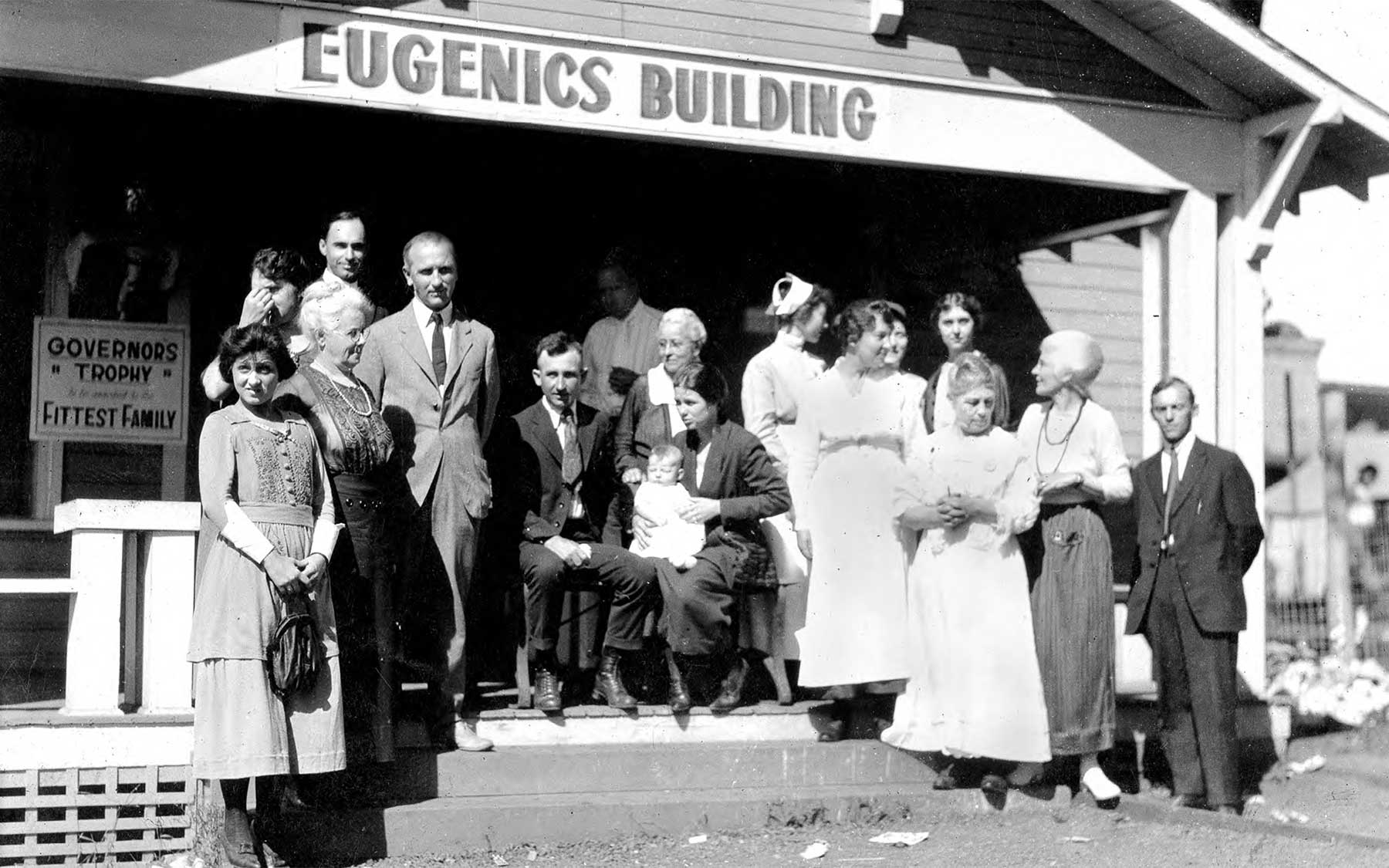
-Prior to Nazi Germany performing the act of "removing" any threat to the Master Race, as they called it, removing anyone they deemed "unfit for human life", the US had a sort of eugenics program running. The US would have forced sterilizations of those who were considered "unfit." This movement was rooted in scientific beliefs, seeking to control human reproduction. Policies unfairly targeted certain groups, reflecting barely hidden prejudices. This movement, inspired by Nazi ideologies, shows just how dangerous scientific abuse can be. Knowing this bit of history helps for understanding the debates on ethical research and genetics

18. The role slavery played in the American Revolution

-When Britain offered a friendly hand to enslaved people during the Revolutionary War, offering them freedom, this posed a massive threat to slaveholders. This offer made a major influence on the war, intensifying the fear of emancipation. Individuals who were enslaved were torn between the opposing sides. When one understands the difficult decisions to make in a time like that, it shows the contradictions one faces with the fight for independence

19. The actual effects of the GI Bill

-The GI Bill was a miracle for soldiers returning from WWII. This bill could allow a soldier to go to school if they wanted to. To buy a home. To do almost anything to make their life better after returning from combat. Unfortunately, the systematic racism meant the GI Bill was excluded from black veterans. These veterans were denied access to housing, educational opportunities. This inequality shows that it is important to guarantee that there is no reason why one group is allowed access to things while another is not, despite being in the same role. Understanding this is important for understanding the same opportunities for all veterans, no matter the skin color or race or ethnicity

Thursday, April 17, 2025

10 Cultural Taboos to Avoid When Visiting Australia

Known as "Down Under" by a lot of people, Australia is one of the more popular places for people to travel. But, unfortunately, there are good, respectful tourists and then there are bad, disrespectful tourists. You can usually tell which group tourists fall into depending on what they say or do. According to MSN.com page Crazy Nomad, here are 10 cultural taboos to avoid when visiting Australia

Also, when in doubt, ask the locals. They are a treasure trove of useful information. By asking them what to do and what not to do, while explaining to them that you want to ensure you do things accurately and respectfully, you're showing respect for the cultural customs of that country and you're being a responsible, respectable tourist

This is on my travel bucket list. There are so many things I want to do and see if I get the chance to go to Australia

1. NEVER mock / make jokes about Aboriginal culture

-It's important to remember this: Remember whose country you're in. Making fun of / mocking the local Aboriginal culture is not just wrong, it's plain offensive. Aboriginal culture is a massive part of Australian culture and history, and as such, it would be bad to mock this. They have endured social injustices over the years, including "The stolen generations." This refers to Aboriginal children who were taken from their families. These children were put into households with non-indigenous people and denied access to their culture, language and more. When visiting Australia, ask questions about the culture, show a genuine interest in the history. For example, when visiting Ayers Rock, also known as Uluru, don't touch the rock or climb on it. When you take time to ask curious questions, this shows you are taking an interest in the culture and showing an appreciation for the locals

2. Don't assume that everyone drinks alcohol or likes to casually party

-Australia does have a vibrant party scene, depending on where you're at. It's not safe to assume that everyone will be drinking at all hours of the day or partying. This can create stereotypes and make for some awkward situations. Many people in Australia refrain from drinking due to religious, cultural and personal reasons. Simply respect these choices that those individuals. Just because you're on vacation and want to drink does not mean you need to pressure someone into drinking. If you're unsure, ask that person. When you show that you are sensitive and understanding of various lifestyles, this will work out to your favor. It will put you in a good light with the locals and ensure that all interactions are open, inclusive and respectful

3. Don't mock / criticize Australia's love of sports

-In Australia, there are various sports that are widely loved by the population. Aussie Rules Football, known as AFL (Australian Football League) is one of the most popular sports. In addition to Aussie Rules Football, there's also cricket and rugby. Together, these sports hold a special importance to most Australians. Mocking them and/or criticizing them is wrong. Instead, engage in a conversation about said sports, ask questions. This shows that you are genuinely curious about the inner workings of that sport and shows respect for that sport. Even if sports are not your thing, asking curious questions to learn more about that sport shows you are respecting something that someone is passionate about. It helps you connect better with the locals and understand their traditions better

4. Avoid tipping excessively - it's not usual

-Australia is one country where tipping is optional. Workers earn good wages, so gratuities are not usually expected, like they are in the US. You can leave a small tip, which is appreciated. If you tip excessively, this will show that you are unfamiliar with local customs. Make sure to understand these local customs and respect these practices. By respecting these unique practices, your dining experience will become better. And, if in doubt, ask a local. The local residents provide a wealth of useful information that will result in success!!

5. NEVER confuse Australian and British cultures

-Their accents may sound similar, but they are not the same. Never, for one second, assume that Australian culture and British culture are the same. Yes, they do share historical ties, but that's where the similarity ends. Australia has a wonderfully unique cultural identity that the residents take high pride in. Simply assuming that the cultures of both Britain and Australia are the same shows you are dismissive and unaware. Australia has its own slang, traditions and a unique laid back way of life. Knowing the difference between British culture and Australian culture will help you build a rapport with the locals and, thus, earn their respect while also avoiding insulting their national pride

6. NEVER makes jokes about deadly wildlife - it's a hot button issue

-People do make frequent jokes about the deadly wildlife that exists in Australia. "Everything that can kill you lives in Australia." Australia does have wonderfully diverse and, yes, deadly wildlife that is native to this large country. But, deadly wildlife can live anywhere, not just Australia. Making jokes about it will come off as insensitive, offensive and just plain wrong. Those who live in areas where these deadly creatures live might be offended by the jokes; they have to contend with these creatures on a daily basis and know what risks they pose. Instead, ask curious and respectful questions about these forms of dangerous wildlife. Adopting this mindset will not only keep you from making a major cultural faux pas, it will also help give you an education into the unique biodiversity of the land known as "Down Under." And if you're still curious about the unique wildlife, visit any one of the fantastic zoos in Australia. The staff will provide a wealth of information about the interesting insects and animals that call Australia home

7. Do not discuss hot button issues like immigration or politics

-Politics, religion and immigration are hot button issues to avoid at all costs, no matter where you go. It's especially wise to avoid discussing these issues in Australia. If these topics do arise in conversation, keep an open mind. Be open to different points of view. Don't make assumptions or pass judgement. By keeping an open mind, you are showing respect to that other person and making them feel their opinion is also valued. It also helps show that other person that you understand the diverse social and political landscape of Australia

8. NEVER litter / disrespect the environment

-Australia is known for its rugged landscape and beautiful environments, which provide homes, food and more to the wonderfully diverse animal and insect life. Those in Australia take deep pride in their gorgeous landscape. By littering, you are disrespecting the environment. It's not only frowned upon to litter, but illegal. Dispose of your litter in proper ways, such as waste baskets or bins. Take part in eco-friendly ways of disposing of litter, such as recycling and avoiding single-use plastics. This shows you are being a responsible tourist, helping to keep the environment clean and also helps you show respect for the local values. Not only that, you will make a positive impact

9. Avoid being overly informal in professional settings

-While it's known that a laid-back lifestyle is common in Australia, there's a time and place to be laid-back and there's a time and place to not to be laid-back. It can come off as disrespectful if you're being overly casual in what seems like a professional setting. Until you are told / invited to use first names, it's better to address someone by their title or surname. Ensure you dress appropriately and maintain a polite, professional form of communication in the workplace. This will show that you respect / understand their professional requirements. This will help you build relationships and show awareness of the unique culture of Australia, especially in formal settings. And, if you're unsure, ask. Ask how someone would like to be addressed. Let them know that the reason you ask is to ensure you do things the right way. Asking always works and shows you want to ensure you do things respectfully

10. Avoid mocking / overusing Australian slang

-Australia is known for its unique slang. Mocking it or overusing it can be seen as disrespectful. Listen to how the locals speak and adopt the slang occasionally. This gentle hand approach shows you respect the locals culture without looking as though you're trying to fit in too hard

Wednesday, January 30, 2013

Olympic Locales

I've noticed that evry 4 years, when the Olympics are, they've held these games in some pretty far off, even strange places. Here are some of them. And as I was doing this, London, England seems to have come up alot!!!
Host Cities

Summer Olympics
-1896: Athens, Greece. Where it all started
-1900: Paris, France


-1904: St. Louis, Missouri, U.S.
-1908: London, England
-1912: Stockholm, Sweden
-1916: Scheduled for Berlin, Germany
-1920: Antwerp, Belgium
-1924: Paris, France
-1928: Amsterdam, Netherlands
-1932: Los Angeles, California, U.S.


-1936: Berlin, Germany
-1940: Tokyo, Japan
-1944: Scheduled for London, England. Didn't happen due to WWII
-1948: London, England


-1952: Helsinki, Finland
-1956: Melbourne, Australia
-1960: Rome, Italy
-1964: Tokyo, Japan
-1968: Mexico City, Mexico


-1972: Munich, West Germany
-1976: Montreal, Canada
-1980: Moscow, Russia
-1984: Los Angeles, California, U.S.
-1988: Seoul, South Korea
-1992: Barcelona, Spain
-1996: Atlanta, Georgia, United States
-2000: Sydney, Australia


-2004: Athens, Greece
-2008: Beijing, China
-2012: London, England
-2016: Rio de Janeiro, Brazil
-2020: Candidate host cities: Istanbul, Tokyo or Madrid

Winter Olympics
-1924: Charmonix, France
-1928: St. Moritz, Switzerland
-1932: Lake Placid, New York
-1936: Garmisch-Partenkirchen, Germany
-1940: Sapporo, Japan
-1944: Cortina d'Ampezzo, Italy
-1948: St. Moritz, Switzerland
-1952: Oslo, Norway
-1956: Cortina d'Ampezzo, Italy
-1960: Squaw Valley, California
-1964: Innsbruck, Austria
-1968: Grenoble, France
-1972: Sapporo, Japan
-1976: Innsbruck, Austria
-1980: Lake Placid, New York
-1984: Sarajevo, Yugoslavia
-1988: Calgary, Alberta, Canada
-1992: Albertville, France
-1994: Lillehammer, Norway
-1998: Nagano, Japan
-2002: Salt Lake City, Utah
-2006: Torino (Turin), Italy
-2010: Vancouver, Canada
-2014: Sochi, Russia
-2018: Pyeongchang, South Korea

Tuesday, May 29, 2012

World War II

World War II
London bombing blitz

The reason I'm doing a post on World War II is because I have a slight connection to this. My grandfather fought in World War II. In the Army. He witnessed the horrors of the concentration camps, he was in Paris, in an area called Pigalle, where he saw dancing can-can ladies, and if he were alive today, he'd keep me busy for hours on end talking about the kind of stuff he saw in the war. And you know what? I'd be so fascinated by that, being the history geek I am.
Date: Sept. 1, 1939-Sept. 2, 1945

Tuskegee Air Men

-Global war
-Involved many countries
-Had 2 sides: Axis and Allies
Women working in the factories


Inspired to help women get involved in the war
 -Considered the deadlies conflict in human history
-Many events occurred during it, such as Jews and gays being rounded up and sent to concentration camps during the Holocaust, etc
-In 1937, Japan was already at war with the US, but then it was said that war officially started on Sept. 1, 1939, when Germany invaded Poland.
Nazi rally
-In Dec. 1941, Japan joined the Axis, and on Dec. 7, 1941, in a sneak attack on a sunny Sunday morning, Japanese kamikaze pilots bombed Pearl Harbor.
-In 1943, Allied forces invaded Fascist Italy
German troops invading Warsaw, Poland

Chronology

Timeline of events
1940
-Jan. 7, 1940: Rationing of basic foodstuffs begins in the UK
-Feb. 16, 1940: British destroyer HMS Cossack forcibly removes 303 British POWs from the German transport Altmark in neutral Norwegian territory
-March 11, 1940: Meat rationing begins in Britain
-May 25, 1940: Allied forces, British and French, retreat to Dunkirk. Hitler orders a halt to advance of Germans heading towards Allied beach and allows Goering to use the Luftwaffe(army planes) to attack. British RAF(Royal Air Force) defends beach. The Luftwaffe begin dropping bombs on England
-June 1, 1940: Channel Islands are now German occupied
-Aug. 26, 1940: London is blitzed by bombs for first time
-Aug. 30, 1940: London is continually getting bombed out of existence as a payback for bombing of Berlin. This is the start of the "London Blitz"
-Oct. 2, 1940: bombing of London continues. I'm startin' to think London will never stop getting bombed!
-Oct. 3, 1940: Jews in Warsaw, Poland are moved into ghettos
-Nov. 11, 1940: Japanese begin planning an attack on Pearl Harbor
-Dec. 22-24: bomb raids on Manchester, England. Man, I really feel sorry for people in England. They were getting nailed in WWII!! More bombs seemed to have fallen here than anywhere else! What, did it have a big red and white target on it? Poor people!!!!!!!

1941
-Jan. 21, 1941: reports of Roman Fascist("Iron Guards") executing Jews in Bucharest
-March 1, 1941: Hitler orders that the expansion of Auschwitz be run by Commandant Rudolf Hoss
-March 19, 1941: Worst bombing of London so far. Plymouth and Bristol are bombed once more.
-April 12, 1941: Belgrade, Yugoslavia surrenders
-April 16, 1941: A heavy bombing raid in Belfast, North Ireland
-June 1, 1941: rationing of clothes begins in the UK
-Aug. 1, 1941: Japan occupies Saigon, Vietnam
-Sept. 11, 1941: US president Franklin D. Roosevelt orders the US Navy to shoot on sight if any ship or convoy is under attack or threatened
-Oct. 3, 1941: Mahatma Gandhi orders his followers to begin a passive resistance against the British rule in India
-Oct. 18, 1941: General Hideki Tojo becomes 40th Prime Minister to Japan
-Dec. 3, 1941: conscription in UK now includes all men between 18-50. Women will serve in fire brigades and auxiliary groups
-Dec. 7, 1941: Japanese forces attack Pearl Harbor
-Dec. 11, 1941: US forces repel Japanese landing on Wake Island

1942
-Jan 5. 1942: Beginning of a Red Army attack under General Zhukov in Russia or then, Soviet Union
-Jan. 20, 1942: Nazis decide that it's high time for Jews to be relocated and later killed
-Feb. 19, 1942: Japanese attack Darwin, in Australia's Northern Territory. President Roosevelt signs Executive Order 9066, stating that Japanese citizens in the US and American born Japanese are to be basically be put into camps to keep them from leaking info to Japanese troops. Back then, Japanese people in the US were suspected of being spies
Darwin, Australia

Japanese internment camps
-Feb. 25, 1942: Japanese American internment officially begins
-Feb. 25, 1942: Princess Elizabeth registers for war service
-April 9, 1942: Bataan Death March begins
-April 18, 1942: Doolittle Raid on Nagoya, Japan
-May 29, 1942: Jews in France are ordered to wear yellow Stars of David
-June 4, 1942: Battle of Midway begins
-July 3, 1942: Guadalcanal is in the hands of the Japanese
-July 17, 1942: Battle of Stalingrad begins
-July 22, 1942: Deportation of Jews. Treblinka, a "model" concentration camp in Poland is opened.

1943
-Jan. 18, 1943: Jews in Warsaw ghetto begin the Warsaw Ghetto Uprising
-Feb. 2, 1943: Battle of Stalingrad comes to a close
-March 13, 1943: Nazis liquidate Jewish ghetto in Krakow, Poland
-April 7, 1943: Bolivia declares war on Germany, Japan and Italy
-May, 2, 1943: Japanese bomb Darwin, Australia again
-May 11, 1943: Japanese kill 30,000 in Changjiao massacre
-May 24, 1943: Joseph Mengele becomes Chief Medical Officer in Auschwitz
-Oct. 13, 1943: Italy declares war on Germany
-Oct. 19, 1943: German War Office contacts Mittelwerk to create 12,000 V-2 rockets
-Nov. 15, 1943: German SS leader Heinrich Himmler orders that Gypsies and 'part Gypsies' are to be put into the concentration camps along with Jews
1944
-Jan. 20, 1944: Royal Air Force drops 2,300 tons of bombs on Berlin
-June 6, 1944: D-Day starts with 155,000 Allied troops landing on the beaches of Normandy in France.
-July 10, 1944: Tokyo is bombed for first time since Doolittle raid of April 1942
-July 18, 1944: General Hideki Tojo resigns as chief minister of Japanese government. Emperor Hirohito asks General Kuniaki Koisi to form new government
-Sept. 9, 1944: First V-2 rocket lands on London
-Oct. 23, 1944: Battle of Leyte Gulf begins
-Nov. 2, 1944: Canadian troops take Zeebrugge in Belgium
-Nov. 4, 1944: British General John Dill is laid to rest in Arlington Cemetery, the only foreigner to be honored there
-Dec. 1, 1944: Heinrich Himmler orders crematoriums and gas chambers of Auschwitz be dismantled and detonated
-Dec. 16, 1944: Battle of the Bulge begins
-Dec. 24, 1944: Manchester, England is bombed by V1 flying bombs

1945
-Jan. 25, 1945: American navy bombards Iwo Jima to prepare for invasion of the small Japanese island
-Jan. 27, 1945: Auschwitz concentration camp is taken over by Russian troops
-Feb. 16, 1945: American navy ships attack Tokyo and Yokohama
-Feb. 23, 1945: U.S. Marines raise the flag on Mt. Suribachi on Iwo Jima
 
-March 11, 1945: Nagoya, Japan is firebombed by B-29's
-March 15, 1945: V-2 rockets continue to pelt England and Belgium
-March 16, 1945: Iwo Jima is secured after a month of fighting
-May 1, 1945: Australian or "Aussie" troops land on Tarakan Island off coast of Borneo
-May 23, 1945: Heinrich Himmler, who was the head of the notorious Nazi SS troops, commits suicide by ingesting a cyanide pill
-Aug. 6, 1945: Bomber plane Enola Gay drops atomic bomb nicknamed "Little Boy" on Hiroshima
"Little Boy"  model
-Aug. 9, 1945: Bomber plane Bockscar drops 2nd atomic bomb nicknamed "Fat Man"  on Nagasaki
Causes